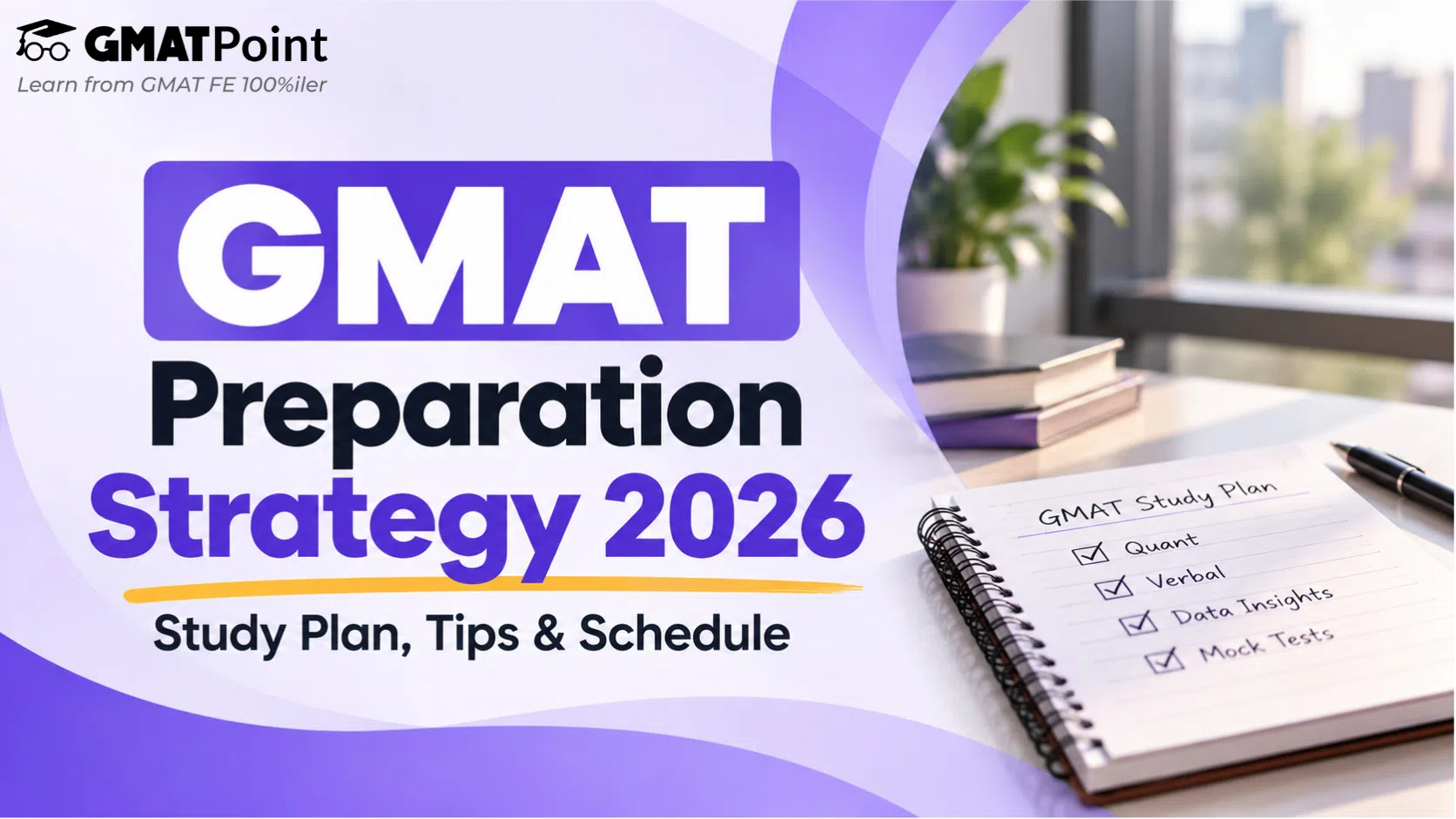


Effective GMAT prep is not about collecting more resources or studying longer hours. It is about identifying score gaps, prioritizing high-impact improvements, practicing deliberately, and using data to adjust your strategy. Many students lose points because they prepare without a system. They complete endless questions but fail to analyse mistakes, ignore timing issues, or study topics that have little impact on their final score.
A smarter GMAT prep strategy combines diagnosis, targeted practice, review, and continuous improvement.
Context
GMAT success depends on more than knowing formulas or memorizing rules. The exam tests how well you make decisions under pressure across Quantitative Reasoning, Verbal Reasoning, and Data Insights. The biggest mistake students make is treating preparation as a content collection problem. They gather videos, question banks, mock tests, and study guides but lack a clear process for turning those materials into improvement.
A strong GMAT prep plan starts with three questions:
- Where am I losing points?
- Why am I losing those points?
- What specific action will improve my performance?
Without these answers, preparation becomes busy work rather than score growth. Your preparation should focus on improving accuracy, speed, and decision-making together. A student who knows every formula but cannot manage time will struggle. A student who solves quickly but repeats the same mistakes will also plateau.
The goal is not to study everything. The goal is to improve the skills that create the largest score increase.
What Works in GMAT Prep
1. Begin With a Performance Diagnosis
Before building a study schedule, take a GMAT Diagnostic Test. The purpose is not to measure your ability once; it is to identify patterns. Look beyond your total score. Analyse:
- Question types you consistently miss
- Topics where accuracy drops
For example, missing algebra questions because you lack fundamentals requires different action than missing them because you spend too much time solving. A detailed diagnosis prevents random studying and creates a focused roadmap.
2. Build a Personalized Study Plan
A successful GMAT prep schedule should match your weaknesses, timeline, and target score. Instead of dividing time equally across every topic, prioritize areas with the highest potential impact. If Data Insights is costing you significant points, spending extra hours reviewing already-mastered Quant concepts may not be efficient.
A practical plan includes:
- Concept improvement sessions
- Timed practice sets
- Error analysis
- Full-length GMAT Mock Exams
- Weekly strategy adjustments
The best plans are flexible. Your performance data should determine what you study next.
3. Treat Mistakes as Your Best Study Material
Many students review questions only until they understand the correct answer. That approach misses the most valuable learning opportunity. A strong error log records:
- The question type
- The reason for the mistake
- The correct approach
- The lesson to remember
Over time, your mistakes reveal patterns. You may discover that you rush through easy questions, misread wording, or rely on inefficient methods.
Fixing repeated errors creates faster improvement than constantly attempting new questions.
4. Practice Decision-Making, Not Just Problem Solving
The GMAT rewards strategic thinking. You do not need to solve every question in the most complex way. You need to choose the best approach quickly. Effective practice develops habits such as:
- Recognizing question patterns
- Eliminating incorrect options efficiently
- Knowing when to move on
- Improving time management
A strong test-taker understands that every question has a cost. Spending four minutes on one difficult problem may sometimes hurt performance more than strategically guessing and protecting time for easier questions.
5. Use Mock Tests Correctly
Mock exams are valuable only when followed by deep review. Taking multiple tests without analysis creates the illusion of progress. After each mock, identify:
- What improved
- What remained weak
- Which mistakes were avoidable
- Which strategies worked under pressure
The purpose of a mock test is not just to measure your score. It is to improve your next performance.
6. Get Guidance Through GMAT Mentorship
Even with a structured study plan, many students struggle to identify what is holding their score back. A GMAT mentor can provide an objective review of your preparation, highlight improvement areas, and help you make better decisions about where to invest your time. A mentor can help you:
- Analyse performance patterns and recurring mistakes
- Refine your study strategy and test-taking approach
- Stay accountable throughout your preparation
If you choose mentorship, look for an experienced and trustworthy mentor with a strong understanding of the GMAT and a proven track record of helping students improve. The right guidance should complement your preparation, not replace your own effort.
Trade-offs In GMAT Prep
Every GMAT prep decision involves trade-offs.
More practice questions do not always mean better results. Repeating similar questions may create familiarity without improving reasoning skills.
More study hours also do not guarantee progress. Focussed study hours do.
Students should also balance perfection with efficiency. Trying to master every difficult concept may reduce time spent improving common question types that contribute more to the score.
The right approach depends on your starting point, target score, and available preparation time. Consistency matters more than intensity. A structured plan followed regularly will outperform random bursts of preparation.
Conclusion
A high GMAT score comes from smarter preparation, not simply more preparation. Build a system that identifies weaknesses, measures progress, and continuously improves your approach. When every study session has a clear purpose, your preparation becomes more efficient and your score potential increases.