

GMAT Mock Test 2026: Preparing for the GMAT in 2026 starts with choosing the right mock test series and using it effectively. Along with completing the syllabus and multiple revisions, applying that learning is also very important. And mock tests help you get familiar with the exam pattern, manage time better, and spot weak areas early. In this blog, you will know how to use GMAT mock tests effectively and the common mistakes while taking mock tests.
Best GMAT Mock Tests 2026
When a candidate starts preparing for the GMAT exam or any exam, they must start with all the topics, but mock tests also play an important role. But the confusion always triggers, like the fee difference, the number of mock tests. Here's the table that has details about the same to help you decide the mock tests:
Institute | Approx. Fees | Number of Mock Tests |
GMATPoint | ₹2,499 | 10 full-length mocks |
IMS | ₹16,356 + GST (integrated courses include mocks) | 6 full-length mock tests |
T.I.M.E. | ₹4,950 - ₹6,950 (Basic / Enhanced Test Series) | 7 mock tests (adaptive) + multiple sectional & CBT tests |
Kaplan (Manhattan Prep) | ₹4,999 | 6+ (within course packages) |
Read More: Which GMAT Mock Tests are Best in 2025?
How to Prepare for GMAT 2026
Before you start preparing for the GMAT 2026 exam, there are a few things you must know to begin. Follow the points below to prepare for a strong score.
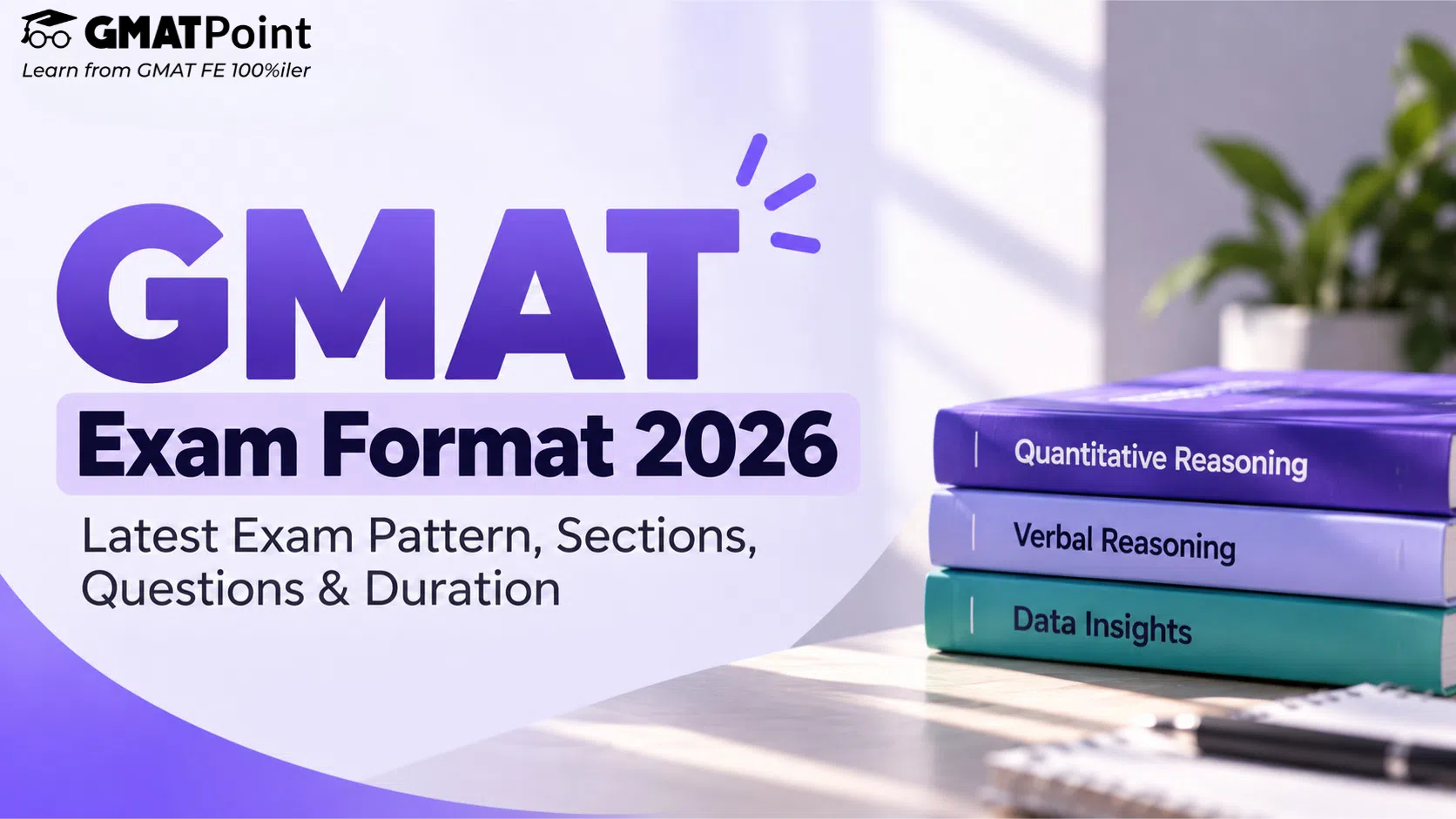
- Understand the Exam Pattern: You must have a clear understanding of the number of ions and questions and all the sections before starting your preparation.
- Know the syllabus: It is better to have a clear and detailed list of all the topics so that you are sure that nothing is left out during the preparation time.
- Make a decision about your goal score: Choose your goal according to the average scores of the business schools you want to go to.
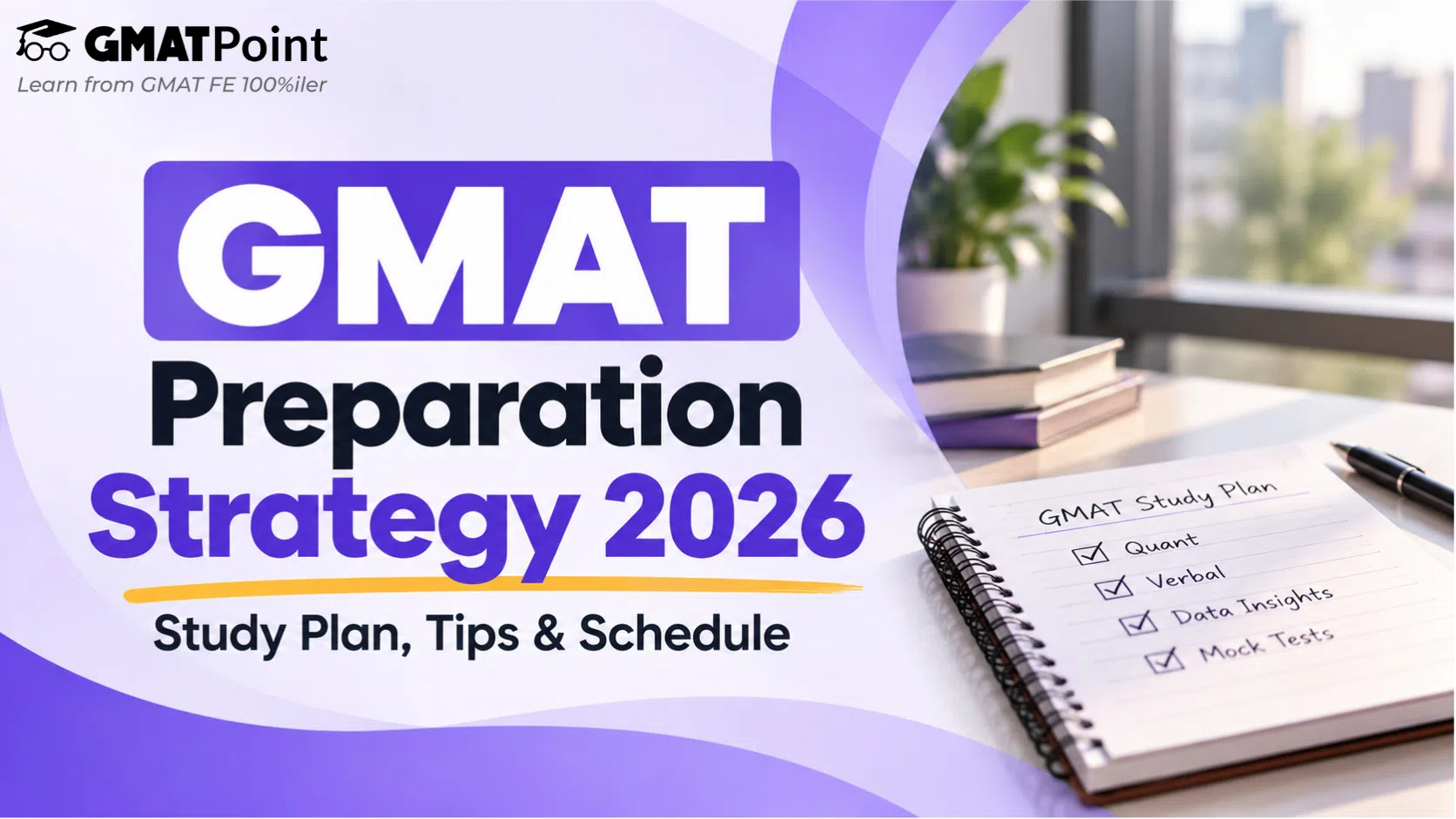
- Create a study plan: Divide daily or weekly hours between Quant, Verbal, and Data Insights based on your strengths and weaknesses.
- Focus on concept clarity: Strengthen basic math, grammar, and reasoning before tackling tougher problems.
- Practice regularly: Solve a mix of timed and untimed questions to build speed and accuracy.
- Take mock tests: Use full-length mock tests to simulate the actual exam and test your exam-day readiness.
- Review mistakes: Carefully analyze mistakes from every test to understand weaknesses and improve.
- Simulate exam conditions: Practice mocks in a quiet, timed setting to build stamina and time management skills.
- Stay consistent and positive: Preparation takes time, so track progress and stay motivated each week.
Read More: How To Improve GMAT Mock Test Scores In 2025?
Common Mistakes to Avoid While Taking GMAT Mocks
While attempting mock tests, many candidates think that just taking mock tests is enough. But that won't help you much, and you might end up making mistakes that don't make sense and are not beneficial. Here are some common mistakes that candidates who prepare for the GMAT exam do, and you should avoid:
- Candidates often take mock tests casually instead of attempting them like the real exam, and they end up getting no benefit.
- Taking too many mocks without properly reviewing them.
- Often, candidates ignore time management and take breaks in between, and spend too long on difficult questions.
- Not simulating real exam conditions while taking mocks.
- Focusing only on scores instead of understanding weak areas.
- Skipping error analysis and repeating the same mistakes.
- Changing strategies too often based on one bad mock.
- Not reviewing guesses and unanswered questions.
- Practising mocks too close together without learning in between.
Read More: How to Analyse a GMAT Mock Test?